





CiRA Reporter
CiRA Reporter

People
December 24, 2025
Multifaceted Staff Who Create a Research-Friendly Environment
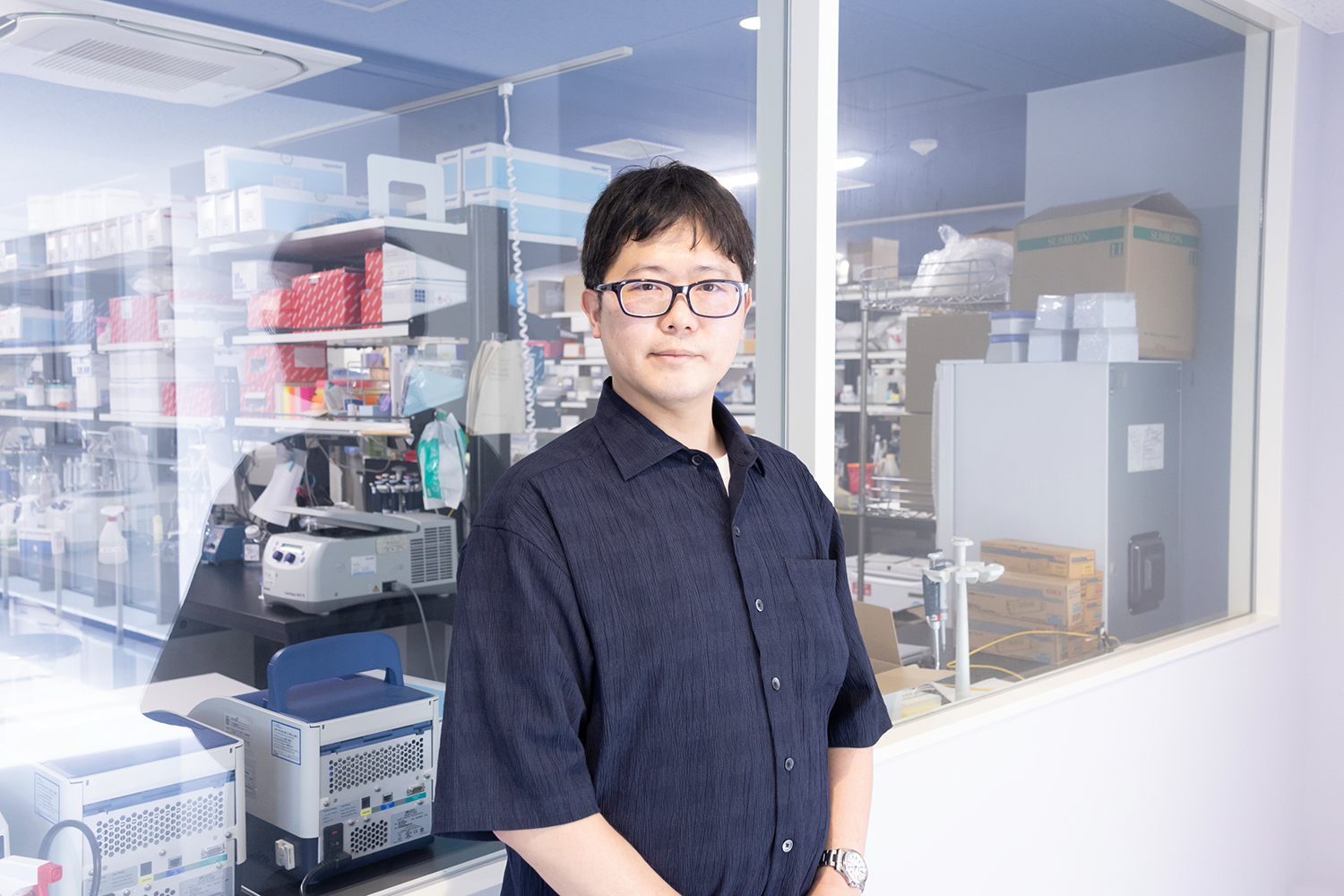
Kei Kubota
What does a Lab Manager in the Jun Takahashi Lab do?
In short, we are like "handymen." Maybe similar to the backstage crew preparing for a live concert.
We handle a wide range of support tasks related to research: coordinating orders and inventory of equipment and reagents, communicating with manufacturers, processing training procedures for lab members, managing nearly 400 pieces of research equipment, troubleshooting research facilities and instruments, and more.
For example, depending on the asset or reagent, the contact point differs, and sometimes detailed usage records with photos are required, making the process quite complex. When disposing of broken-down equipment, we also need to consult with the responsible department, which takes considerable time and effort.
Aside from that, I assist with experiments, including MRI imaging of experimental animals, blood sampling, feeding tests (observing how laboratory animals eat to assess treatment effects), and habituation (helping laboratory animals adapt to new environments).
How did you start this job?
My job hunting was not going well, so I did various temporary jobs unrelated to research before working at CiRA. Through my sister’s recommendation, I applied for a research assistant position in the Jun Takahashi Lab. I was so nervous during the interview that the first words Dr. Takahashi said to me were, "Are you okay?"
After being hired, I started working under Dr. Takahashi in 2006, initially providing technical support. It became difficult for him and his assistants to handle everything as the lab grew and administrative tasks increased. So, I gradually took on administrative duties in addition to experimental support, and before I knew it, I was responsible for most of the paperwork and procedures related to research.
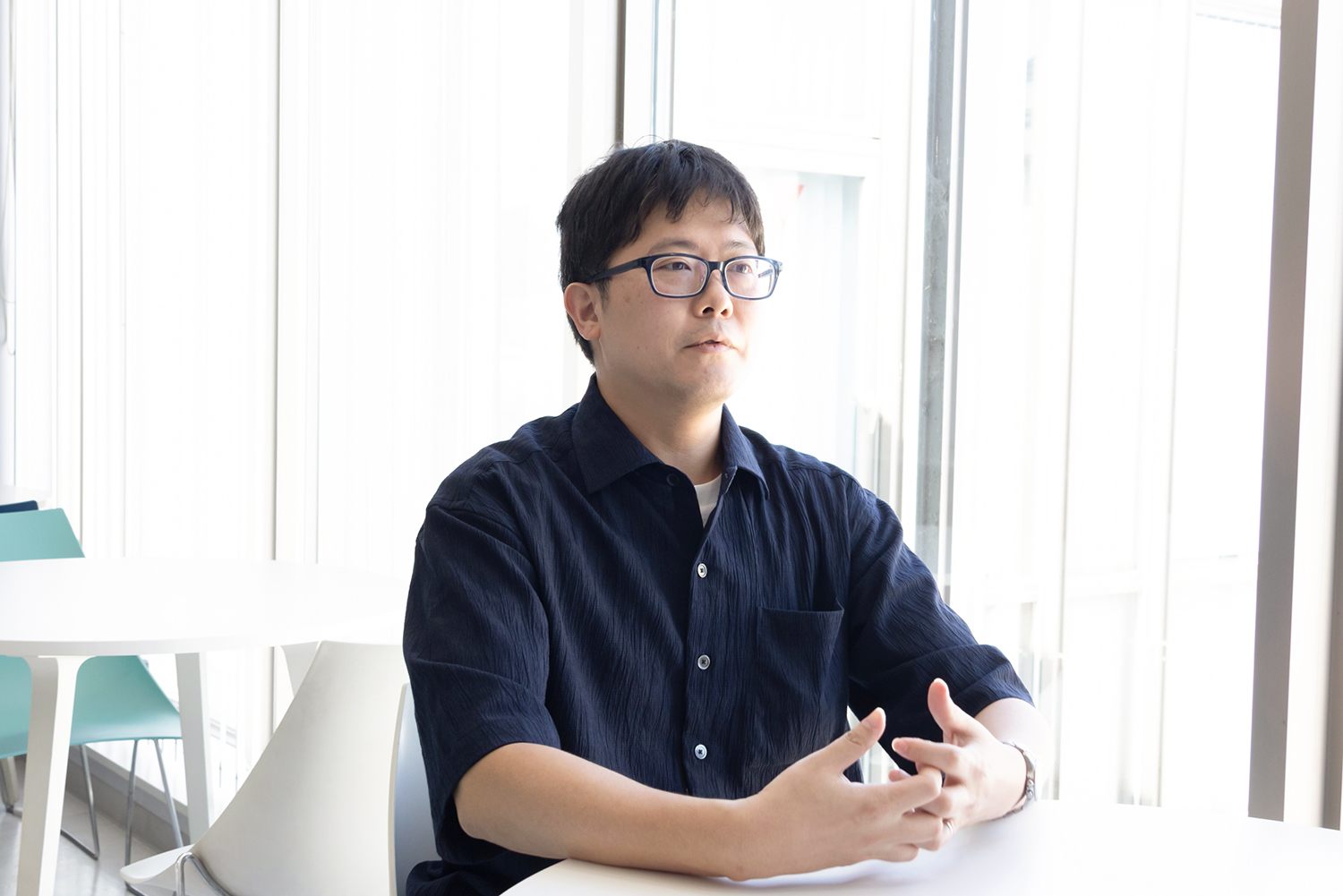
Communication for Smooth Operations
Lab managers must communicate with a variety of people—university staff, cleaning personnel, equipment and reagent manufacturers—because gathering information from these interactions helps us support researchers effectively.
For example, when disasters or global events caused sudden changes in prices, delivery times, or even discontinuation of equipment and reagents, I quickly shared alternative options and updated timelines with lab members, enabling them to adjust their experimental plans efficiently.
Since communication is so crucial, I always prioritize building good relationships with people.
Job Satisfaction
Starting and completing a single research project requires numerous steps, which are time-consuming and labor-intensive. By assisting with these tasks, I help create an environment where researchers can focus on their work, and that gives me great satisfaction. I hope to continue this role as a lab manager, so I can help researchers do their best research.
-
Interviewed and written by Yumi Tsubokura
Technical Staff, CiRA Akitsu Hotta Laboratory
(Translation: Kelvin Hui Ph.D., CiRA Research Promoting Office)