






CiRA Reporter
CiRA Reporter

Focus
June 10, 2026
Venturing a New Path for Treating Kidney Diseases
In this feature series, we interviewed three CiRA faculty members who have founded startup companies about their motivations for entrepreneurship, the challenges they faced, and their visions for the future. We also interviewed an executive officer at Kyoto University Innovation Capital Co., Ltd. (Kyoto-iCAP), who is responsible for investments and business development, about the characteristics of startups originating from Kyoto University. We begin this four-part series with CiRA’s Professor Kenji Osafune (Department of Clinical Application).
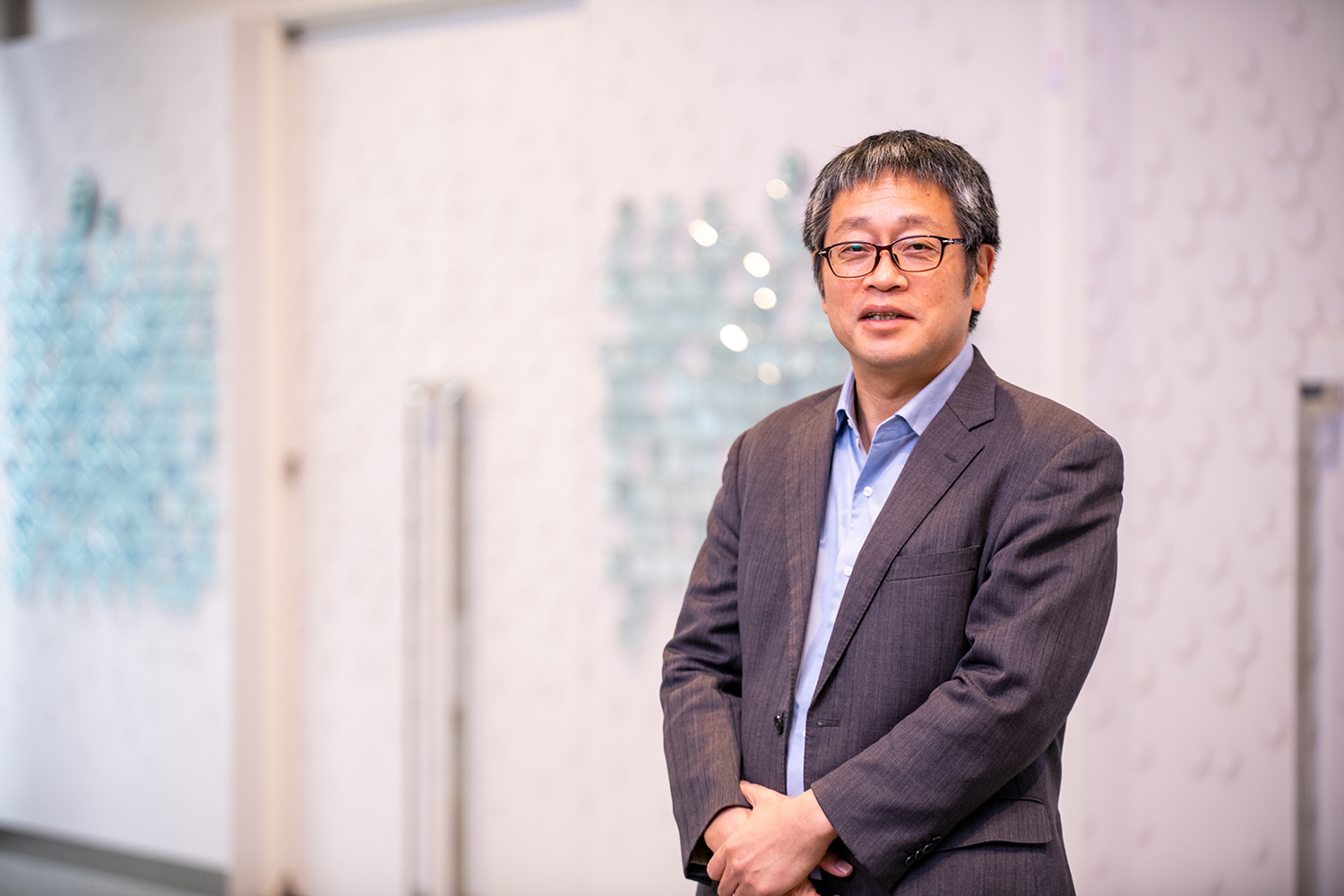
Professor Kenji Osafune
Chief Scientific Advisor,
Rege Nephro Co., Ltd.
Why did you decide to launch a startup company?
I am a nephrologist by training and have treated many patients who struggle greatly from kidney diseases. Due to this experience, I began researching kidney regeneration in 2000 with the intention of helping patients. Since then, I have been working towards new treatments for kidney diseases using iPS cells. Nonetheless, the kidney is a particularly challenging organ, and developing therapies takes an enormous amount of time. With conventional competitive research funding alone, it is virtually impossible to reach the stage of clinical trials.
In fact, for six years from 2009, I conducted joint research with a major Japanese pharmaceutical company and obtained promising data toward the development of cell therapies for kidney disease. However, pharmaceutical companies find it difficult to invest in technologies that do not present a clear path towards commercialization within a few years, so the project was eventually discontinued. At that time, I was encouraged by many around me to consider starting a startup. Moreover, in industry–academia collaborations, one is often limited to projects with a high degree of certainty, thus making it difficult to pursue truly challenging or ambitious ideas. I felt strongly that I needed to chart my own path to deliver treatments to patients, ultimately leading me to establish Rege Nephro Co., Ltd.
How did you go about launching the startup?
The starting point was when I first applied for Kyoto University’s startup incubation program and was selected. At the same time, finding a suitable CEO was critical. Through personal connections, I was introduced to someone who had previously worked at a major multinational pharmaceutical company. When I shared my vision of building a startup to establish new treatments for kidney diseases, he responded enthusiastically, saying he wanted to take on the challenge together.
We held monthly meetings to discuss the business plan, required human resources, and fundraising strategies, steadily preparing for launch. The company was officially established in 2019. Afterward, I traveled to Tokyo about three times a week, meeting with four to five companies per day. I believe I met with nearly all venture capital firms in Japan, as well as corporate venture capital groups, continuously explaining our business plan. As a result, we were able to raise the necessary funds from Japanese investors and establish a solid startup infrastructure.
What technologies are you aiming to implement for real-world applications?
By leveraging iPS cell technology, we aim to realize new therapies for multiple intractable diseases. First, with our technology, we can now efficiently generate nephron progenitor cells—the building blocks of the kidney—from human iPS cells and transplant them as a form of cell therapy for kidney diseases. These cells have protective effects on the kidney, and when administered beneath the renal capsule in mice, they have been shown to suppress the decline of kidney function. We anticipate that a single administration could delay the need for dialysis for several years.
Because our cell therapy can be provided at a lower cost than conventional cell therapies, it is expected to significantly reduce the economic burden of medical care compared to dialysis. For the approximately 20 million patients in Japan with chronic kidney disease, we aim to offer a new treatment option that does not rely on dialysis or kidney transplantation. In addition, we have successfully identified a novel drug candidate for autosomal dominant polycystic kidney disease and initiated clinical trials in April 2024.
Furthermore, we are developing new treatments for diabetes using pancreatic cells derived from iPS cells, as well as regenerative medicine technologies targeting difficult-to-treat liver diseases, including liver cirrhosis, through the generation of transplantable hepatocytes and liver tissues derived from iPS cells. In parallel, we are also advancing drug development for metabolic dysfunction–associated steatohepatitis.
Ultimately, our goal is to generate whole transplantable kidneys, pancreata, and livers from iPS cells.
What is your role in the startup company?
I serve as a member of the Board of Directors and as the company’s Chief Scientific Advisor(※1). I participate in monthly board meetings and research and development progress meetings twice a month, where I provide input on research direction and clinical application. Decisions regarding management and operations are entrusted to the CEO and executive team.
How do you balance research and startup activities, and what are the challenges and rewards?
In accordance with Kyoto University regulations(※2), I devote several hours per month to startup-related activities to ensure that my academic research is not compromised. The most important issue is managing conflicts of interest. It is essential never to disclose academic research results exclusively to one’s own company. As I hold dual roles as a university faculty member and a company director, I must be careful to clearly separate those responsibilities, even distinguishing between traveling as a university professor or a company executive.
The greatest reward of working with a startup is directly moving our research forward toward real patients. In collaborations with pharmaceutical companies, research topics are often limited to areas of corporate interest. In contrast, a startup allows us to pursue the topics we genuinely want to tackle, which I find deeply fulfilling.
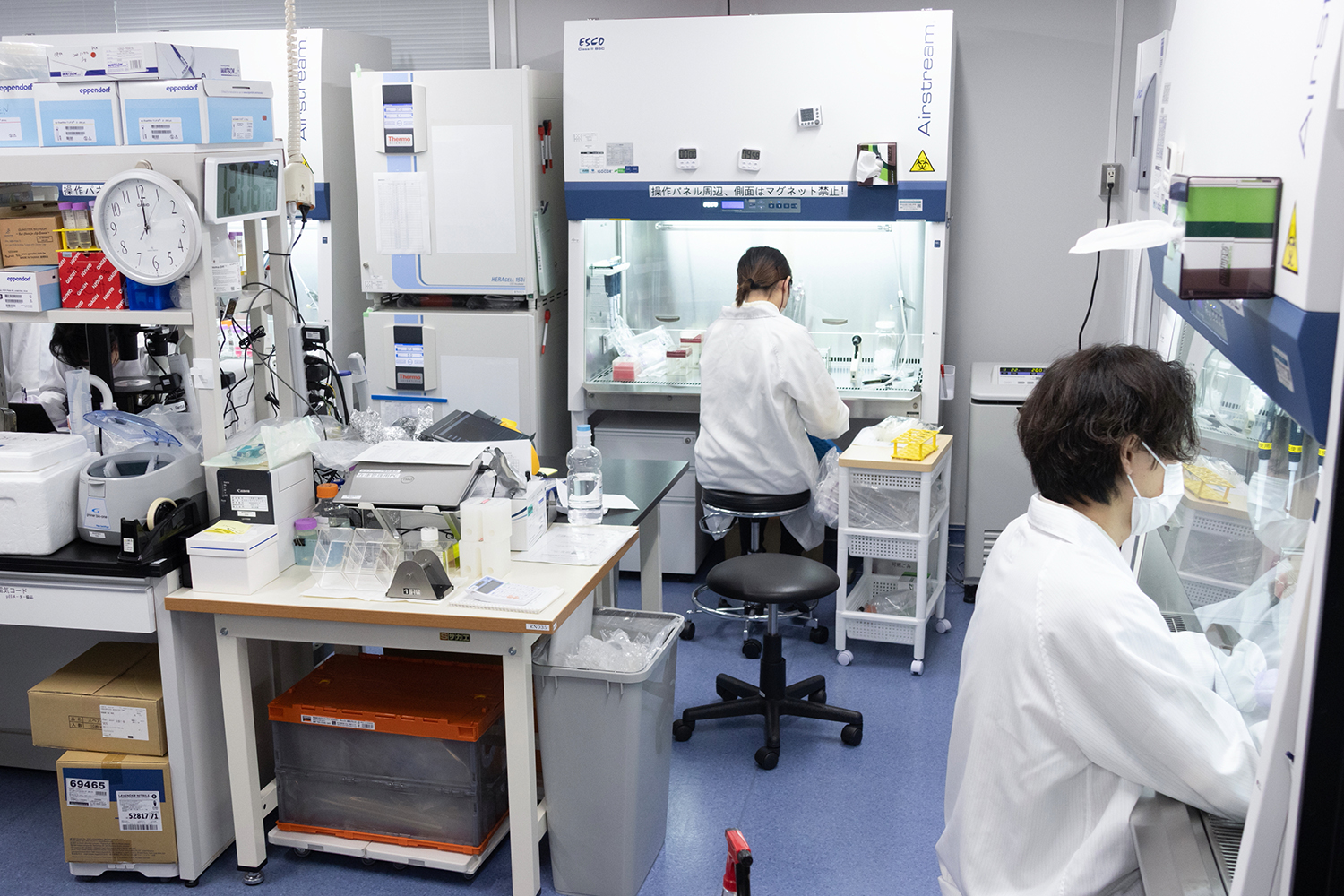
Cell Culture Facility of Rege Nephro Co., Ltd. (Kyoto, Japan)
What challenges have you faced since founding the startup?
In regenerative medicine, conducting clinical trials requires enormous funding, making fundraising extremely challenging. Investment trends also vary greatly by country and fluctuate over time. In the United States, for example, investment interest in cell therapy has been declining, making capital more difficult to secure. In Japan, regenerative medicine attracts relatively strong attention, but it remains an area that is difficult to evaluate, leading investors to be cautious.
Because we have received investment from venture capital firms, we face pressure to demonstrate our progress within a defined timeframe. Having started the company in 2019, we aim to initiate portions of clinical trials by around 2029, generate concrete data, and create a pathway for transfer to major pharmaceutical companies.
Moving forward, what would you like to achieve?
To ease the overall socioeconomic burden, our goals are to provide new treatment options for diseases that were previously incurable, such as kidney failure, diabetes, and liver cirrhosis, and to reduce treatment costs. If kidney disease patients can avoid dialysis, medical expenses decrease significantly, and enabling patients to continue working contributes to a more prosperous society overall. We also aspire to export new therapies from Japan to the world, thereby contributing to the enrichment of Japanese society.
As an immediate goal, we aim to begin clinical trials of cell therapy for kidney disease by 2027. Even conventional drug development takes more than 20 years, and cell therapy is even more complex, requiring stringent quality control, safety assurance, and regulatory compliance. I encourage the general public to maintain enthusiasm and support for iPS cell research.
(※1) As of June 2026, he has stepped down from the Board of Directors.
(※2) According to Kyoto University guidelines on external employment, faculty members may serve as officers of companies leveraging their research findings with university approval, provided that such activities do not exceed eight hours per week.
-
Interviewed and written by Yoko Miyake
Science Communicator, CiRA International Public Communications Office
(Translation: Kelvin Hui Ph.D., CiRA Research Promoting Office)