




Research Activities
Research Activities
Principal Investigators


Dept. of Clinical Application
Sayako Katada (Associate Professor)
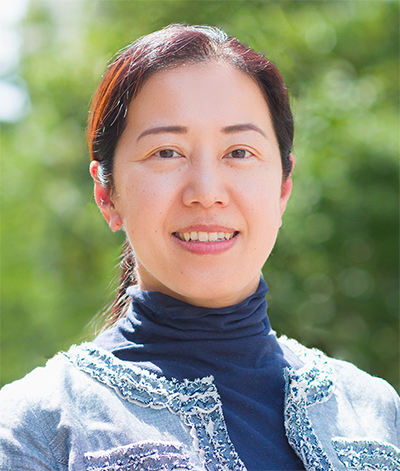
Sayako Katada Ph.D.
- Lab Website
- Contact: katada-g*cira.kyoto-u.ac.jp
- Please change * to @
Research Overview
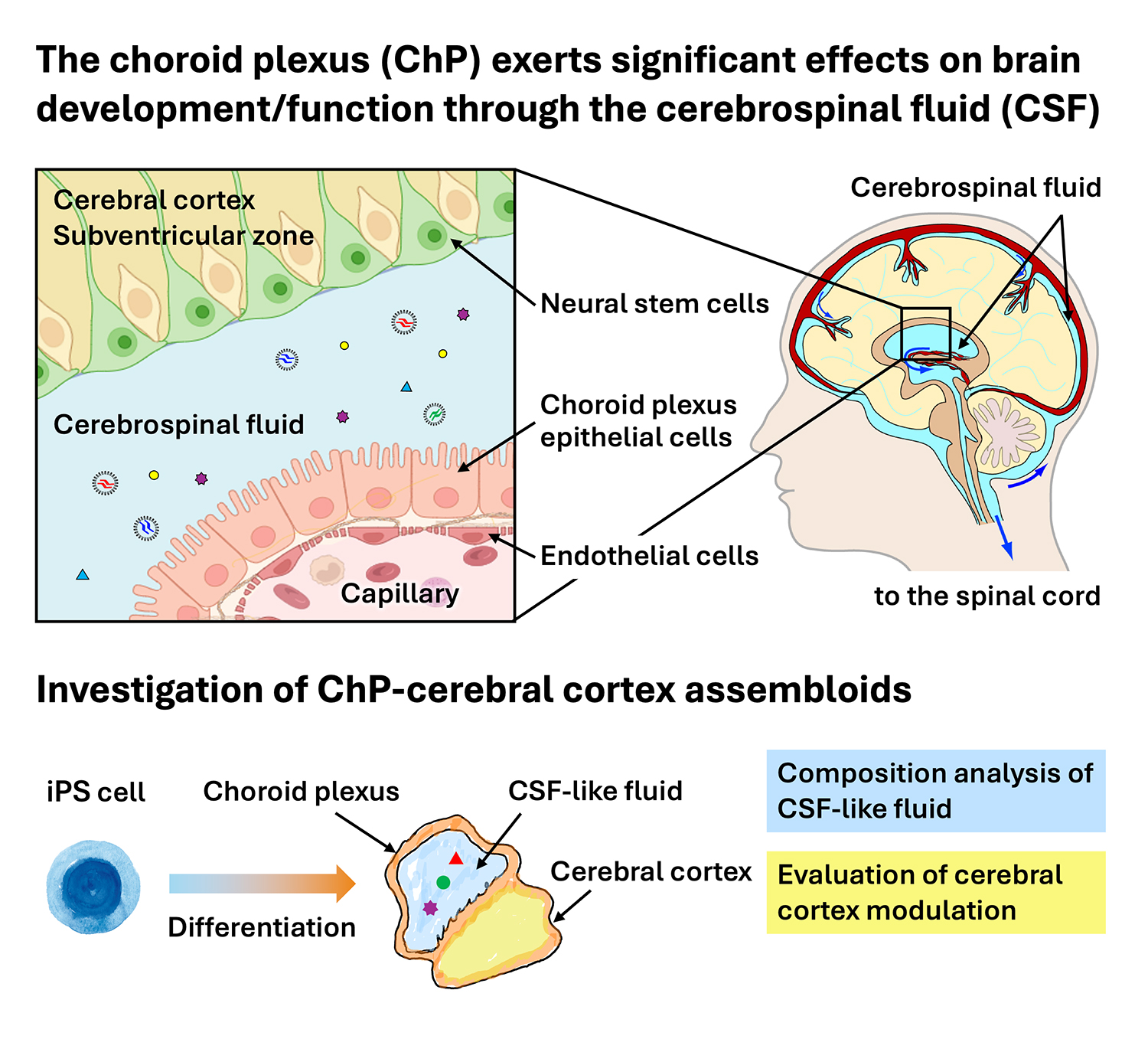
We focus on the mechanisms of neural stem cell fate determination and the diverse functions of the choroid plexus, which is best known for producing cerebrospinal fluid, to advance our understanding of brain development and neurological disorders.
The choroid plexus is a crucial structure deeply involved in brain development, the maintenance of homeostasis, and communication with the rest of the body, yet many of its functions remain poorly understood. Alongside fundamental studies using mice, our lab generates cortical and choroid plexus organoids from iPS cells derived from patients with various neurological disorders and analyzes their functions. Through these studies, we aim to uncover the potential for innovative therapies targeting the choroid plexus and to contribute to the future of neuroscience and medicine.
1. Uncovering the intrinsic programs of developmental neural stem cells
Neural stem cells dynamically alter their epigenome to determine cell fate according to developmental timing and environmental cues. We aim to elucidate the molecular mechanisms that drive these epigenomic changes. To this end, we conduct single-cell multi-omics analyses to examine gene expression and chromatin architecture simultaneously. By identifying regulatory regions and transcription factors that control cell fate, we seek to gain a comprehensive understanding of how the properties of neural stem cells change throughout neurodevelopment.
2. Elucidating how choroid plexus-secreted factors regulate brain functions
The choroid plexus not only produces cerebrospinal fluid but also secretes diverse factors—including growth factors, exosomes, and miRNAs—that finely regulate the behavior of neural stem cells and differentiated neurons. We have discovered that age-related changes in the choroid plexus impact learning and memory and are now working to elucidate the underlying molecular mechanisms.
3. Understanding disease mechanisms driven by choroid plexus abnormalities
In a Rett syndrome (RTT) mouse model, we found that abnormal gene expression occurs in the choroid plexus, leading to reduced expression of multiple secreted factors and disruption of the blood-cerebrospinal fluid barrier. Leveraging both choroid plexus organoids generated from patient-derived iPS cells and mouse models, we are building experimental systems to investigate how choroid plexus dysfunction contributes to disorders associated with neurodevelopmental or neurodegenerative defects, such as Alzheimer's disease and multiple sclerosis.
4. Modeling diseases and identifying therapeutic targets using choroid plexus-cerebral cortex assembloids
We are constructing assembloids—by fusing cortical and choroid plexus organoids generated from patient-derived iPS cells—to examine how the choroid plexus influences cortical development and function. This approach allows us to determine how changes in choroid plexus' secreted factors and barrier functions affect neural circuit formation and synaptic activity. Furthermore, by integrating these findings with behavioral analyses in model mice, we can link molecular and tissue-level abnormalities identified in organoids to in vivo changes in memory, learning, and motor functions. Building on these insights, we aim to develop novel therapeutic applications that target the choroid plexus.