


CiRA Reporter
CiRA Reporter

Focus
November 17, 2026
The Present and Future of CiRA: A Conversation Between the New Director and Next-Gen Researchers ―Curiosity as a Guide to Exploring Life Sciences
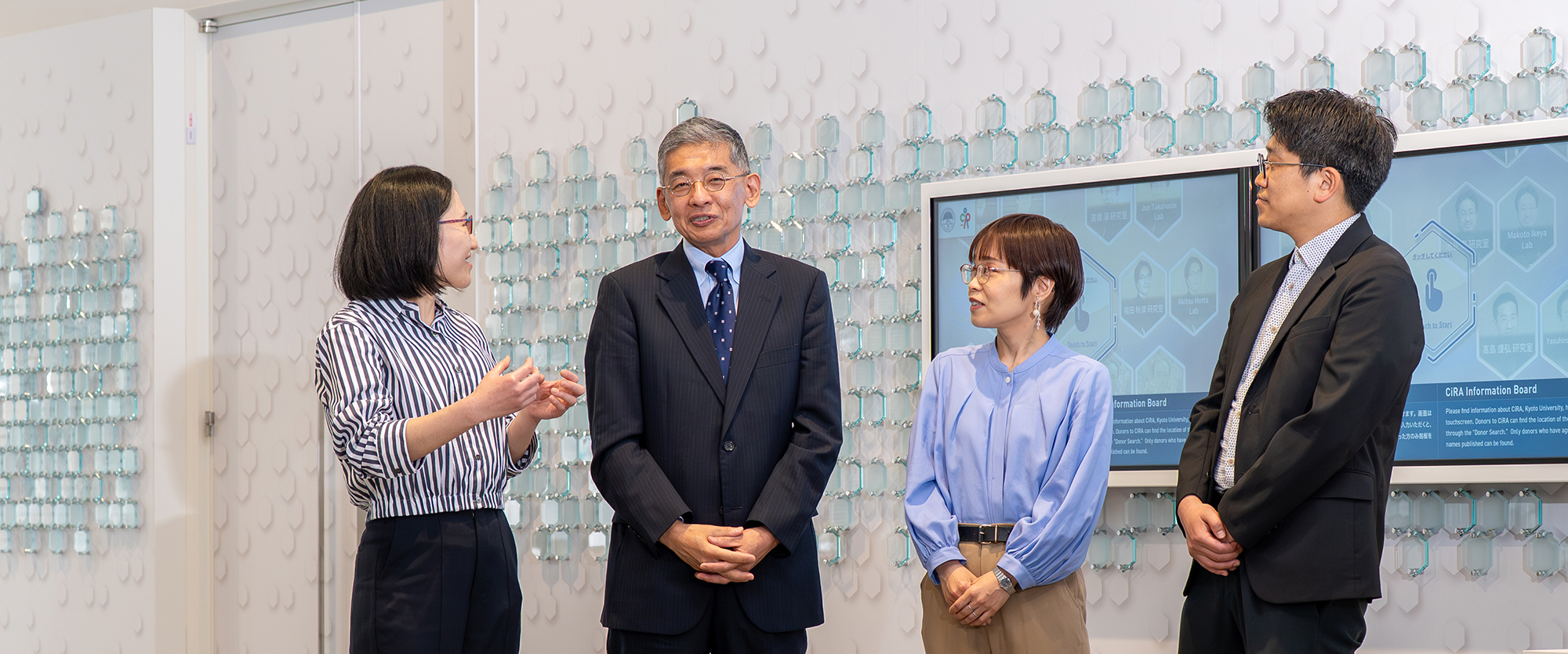
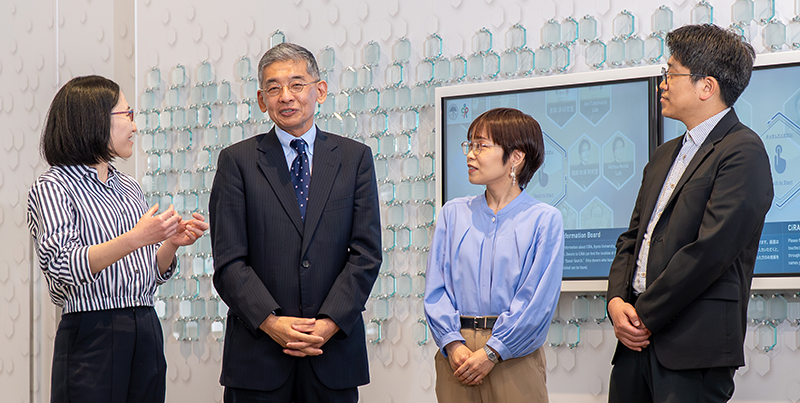
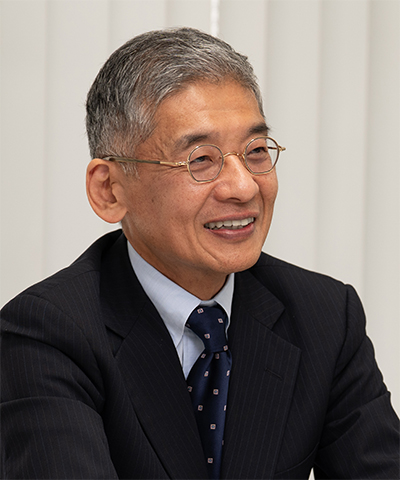
Koji Eto After training and working as a cardiologist, he held positions at Teikyo University Faculty of Medicine, The Scripps Research Institute (USA), and the Institute of Medical Science at the University of Tokyo. He joined CiRA as a professor in 2011 and became director in 2026. His research focuses on generating red blood cells and platelets from human iPS cells for use in transfusion medicine. |
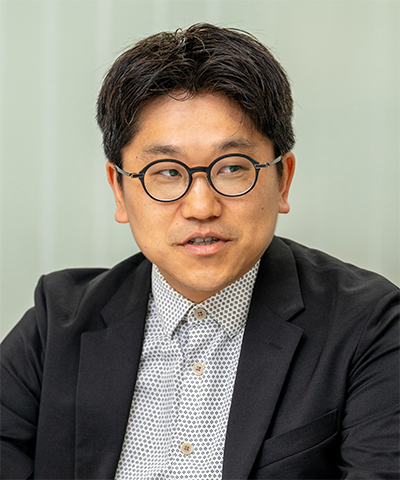
Shunsuke F. Shimobayashi After completing his Ph.D. at Kyoto University and working at Princeton University, he joined CiRA in 2022. His research explores membraneless organelles (molecular assemblies) within cells, aiming to uncover the mechanisms of neuronal signalling and cellular reprogramming, and to develop new technologies for medical applications. |
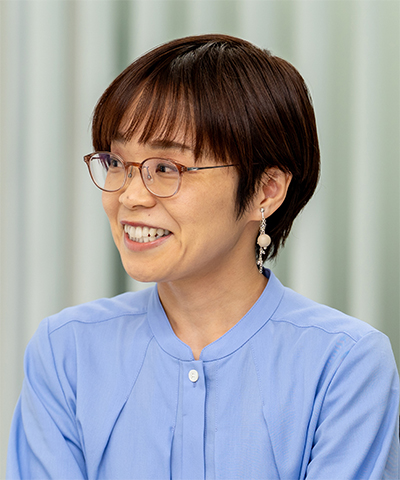
May Koyama She completed her Ph.D. at Kyoto University. After serving as a JSPS Research Fellow (RPD), she assumed her current position at CiRA in 2025. Her work focuses on how genetic information and the cellular environment determine the “youth” and “aging” of intestinal stem cells. |
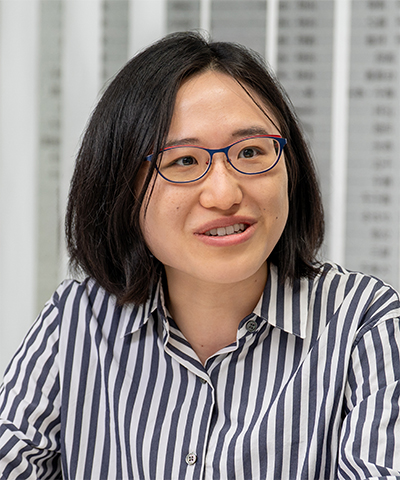
Yuri Kanamaru After graduating from Chiba University’s School of Medicine and practising paediatrics for six years, she joined CiRA in 2024. She studies gene-edited cell transplantation therapies for muscle diseases such as Pompe disease. |
Could you tell us about your current research themes and what sparked your interest in them?
Shimobayashi:
My core interest is to understand biological phenomena at the molecular level. Specifically, I am fascinated by the mechanisms of cellular reprogramming and how a cell’s identity and role are determined. Recently, I have also been investigating how neurons communicate with one another.
Since childhood, I have always been drawn to things “beyond our immediate perception”—the phenomena that science has yet to explain. Originally, I wanted to study space. However, as I studied physics, I realized that the inside of a cell is its own uncharted universe, packed tightly with molecules. That realization shifted my path. Every time technology advances, a bit more of this hidden world comes into view, and I want to be right at the frontier of those discoveries.
Kanamaru:
My research focuses on Pompe disease, a congenital pediatric disorder that causes muscle weakness. Right now, I am exploring how transplanting gene-edited cells yields therapeutic effects in muscle tissue.
I had a relative with a muscular disorder, so even as a child, I always wondered why some people couldn’t move their bodies the way they wanted to. That led me to become a pediatrician. However, seeing patients with progressive muscular diseases for which there are no curative treatments left me feeling incredibly frustrated. I couldn’t accept just telling a family, "We do not know the cause." I wanted to be on the side that actually provides options, which is why I transitioned into research.
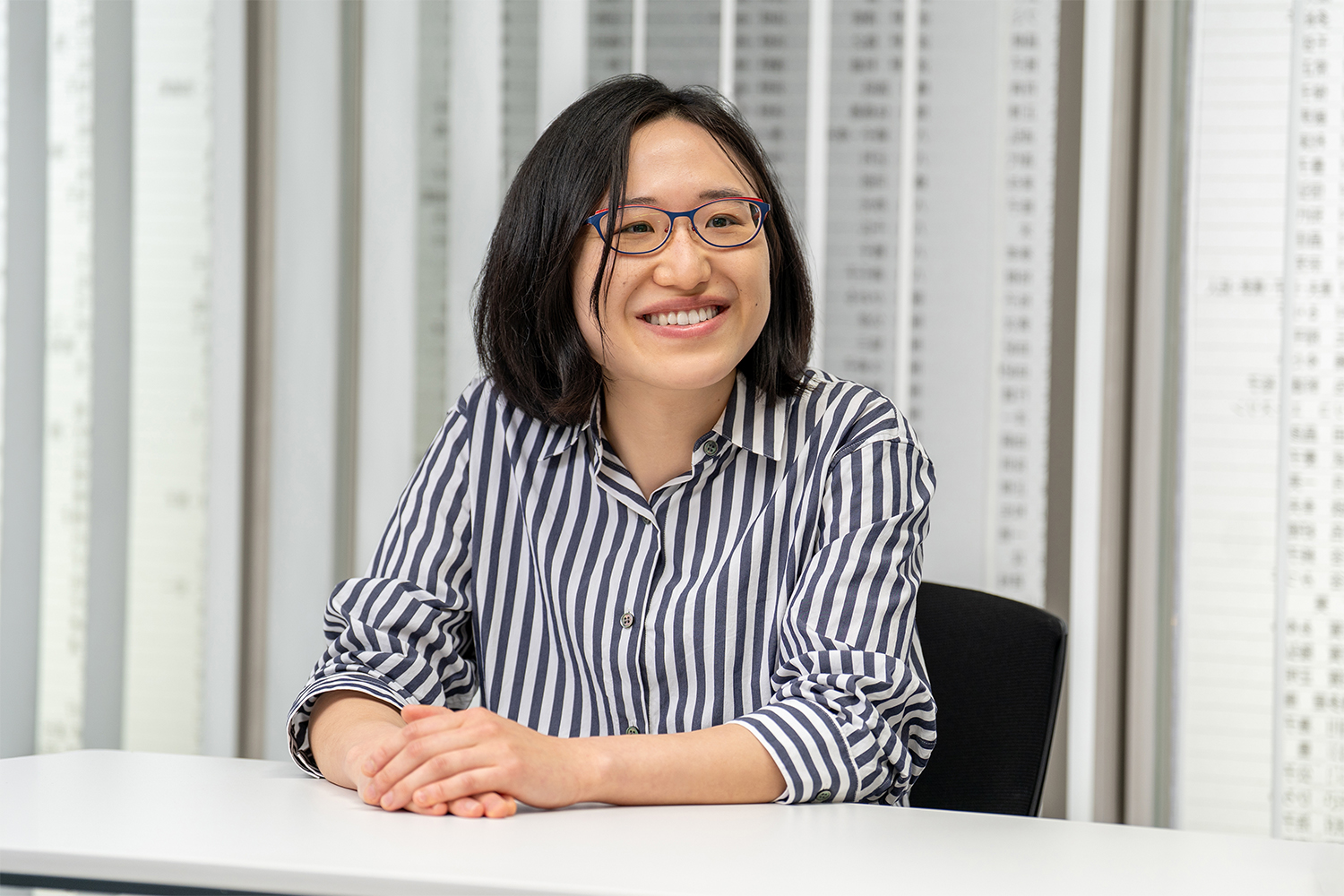
Graduate Student Yuri Kanamaru
Eto:
It sounds like the challenges you faced on the front lines of clinical care directly paved the way for your research.
Koyama:
I focus on the stem cells that form the intestinal tract, including the small and large intestines. I am trying to figure out how "young" and "aged" states of these cells are regulated at the molecular level, and how these mechanisms affect gut function or susceptibility to disease.
Years ago, when I hit a wall with my research on colorectal cancer, I was profoundly shocked by the announcement of iPS cells by Dr. Yamanaka’s team. Learning about a phenomenon where an adult cell’s biological clock could be wound backward made me think deeply about the core principles of time in living systems. That prompted me to pivot to development and reprogramming research. I am still pursuing that theme of "temporal changes" occurring inside our bodies.
Eto:
You actually launched a "Time Study Group" at CiRA, right?
Koyama:
Yes! While CiRA handles a vast array of topics like aging, development, and disease, everything ultimately ties back to "time" if you think about it deeply. As I discussed this concept with other CiRA researchers, we thought it would be amazing if we could uncover a universal principle shared across different organs and phenomena. So, we started the group this year, in 2026. We meet once a month with about a dozen members to present research and trade ideas.

Given that CiRA explicitly targets medical applications as its ultimate goal, what role does basic research play here?
Eto:
Personally, I want basic researchers to follow their curiosity completely and do whatever they please. If you obsess too much over the clinical applications, your ideas inevitably shrink, and your vision narrows. It is far more important to nurture individual curiosity and dive headfirst into uncharted waters where no one else is looking. No matter what anyone else says, pursue the "why" you believe in. I firmly believe that a completely free-range, autonomous environment is what ultimately yields the most groundbreaking results.
Shimobayashi:
As a basic researcher, it is incredibly reassuring to hear the director say that so definitively. In reality, if we start with the assumption that research must be immediately useful, we inevitably limit ourselves. What makes CiRA special is that we can pursue curiosity while being surrounded by clinicians and innovators. When you push forward at full throttle, driven by pure curiosity, there are moments when the “exit”—how your work connects to the real world—suddenly becomes crystal clear. That unique environment creates a true synergy.
Kanamaru:
From a clinician’s standpoint, the casual insights shared by basic researchers are often the most thrilling. Rather than presentations tailored strictly for clinical use, hearing about things driven by raw, unadulterated curiosity oddly inspires me the most. It makes me think, "I want to try that in my own experiments." The sheer energy of someone chasing their curiosity acts as a powerful catalyst for us to devise new treatments.
Eto:
That’s precisely why collective platforms like our progress seminars—our weekly institute-wide research updates—are so vital. Those aiming for clinical applications are exactly the ones who need to thoroughly understand how basic researchers think and engage with it as pure science. We live in an era where, before moving to clinical trials with cells or drugs, we must understand exactly why they work, and what side effects might arise if unexpected mechanisms are triggered.
While veteran researchers who have spent years in these debates understand this deeply, it hasn’t completely trickled down to mid-career researchers, postdocs, and students yet. Part of my job now is to bridge that gap. Clinical application isn’t just an "exit" to deliver therapies to patients; it is, first and foremost, a science.
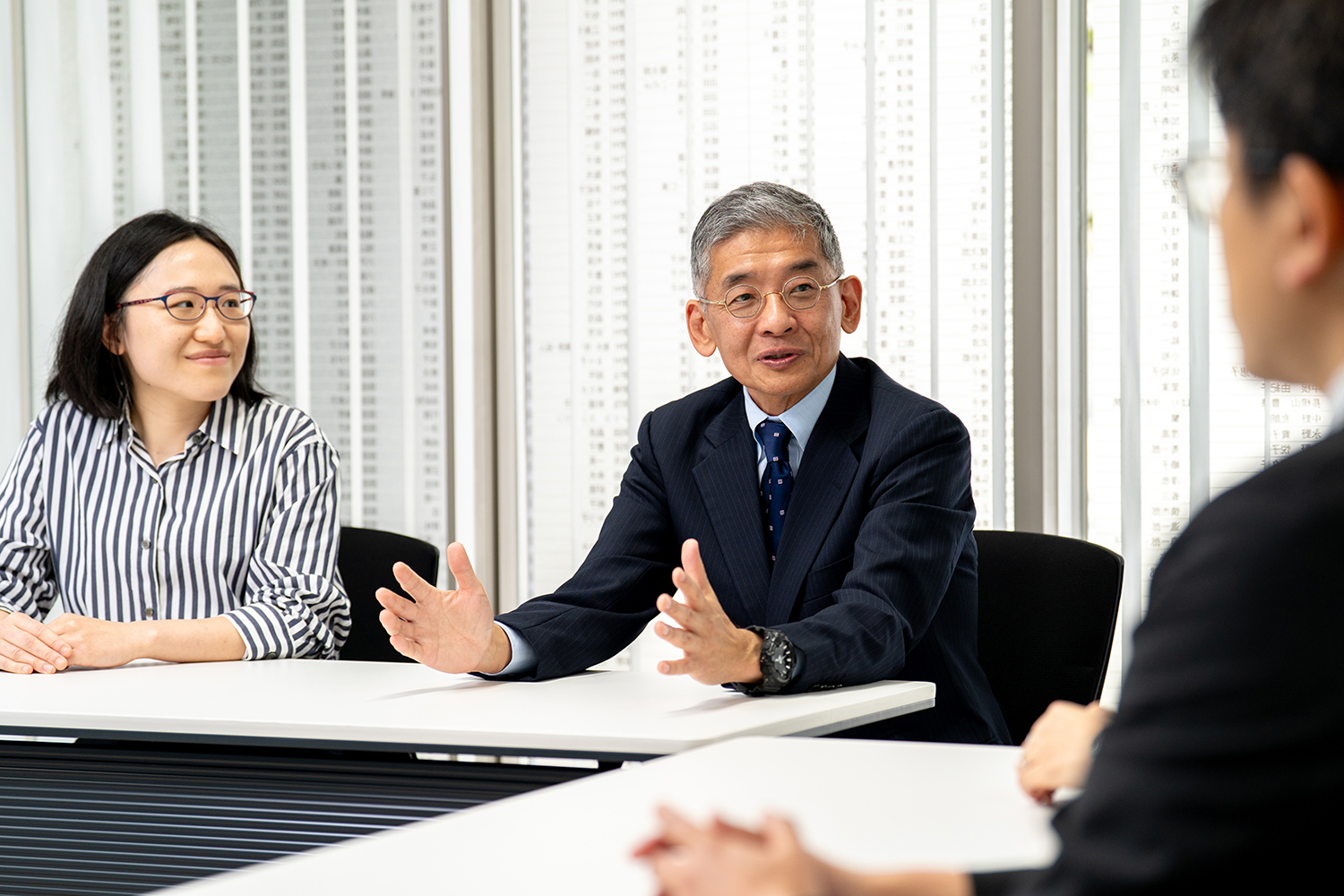
Director & Professor Koji Eto
Koyama:
I recently had the chance to speak with some of CiRA’s donors. They were incredibly fascinated by the ideas of "rejuvenation" and "turning back the clock." Even if it does not immediately cure a disease, hearing them say, "That sounds so full of dreams and possibilities," reminded me how crucial it is to share the inherent wonder of basic research with the public. Research isn’t valuable only when it’s instantly practical; the quest to understand "what life is" holds a unique power to captivate people.
Eto:
Our donors have an incredibly broad range of perspectives. Sometimes our talks expand to profound topics like "human dignity" and "aging." Rather than staying confined to medical technology, the conversation evolves into "how humans should live." Being able to have those kinds of discussions is one of the true joys of basic research.
How does CiRA encourage active discussion and collaboration?
Eto:
We have removed time limits for Q&A sessions at Progress Seminars after presentations by early-career researchers. Instead of wrapping up after just one or two questions, I want them to deepen the science through in-depth discussions. To help with this, we have introduced “facilitators” whose role is to help ask the right questions to drive discussions deeper and further. The ability to ask insightful questions elevates the level of science of the entire institute.
Koyama:
Formulating good questions takes real training. I struggled a lot at first, but by listening closely and preparing beforehand, I gradually got the hang of it. These discussions allow me to see my research from new perspectives. If a question helps push the presenter’s research forward while simultaneously deepening my own understanding, it is a win-win.
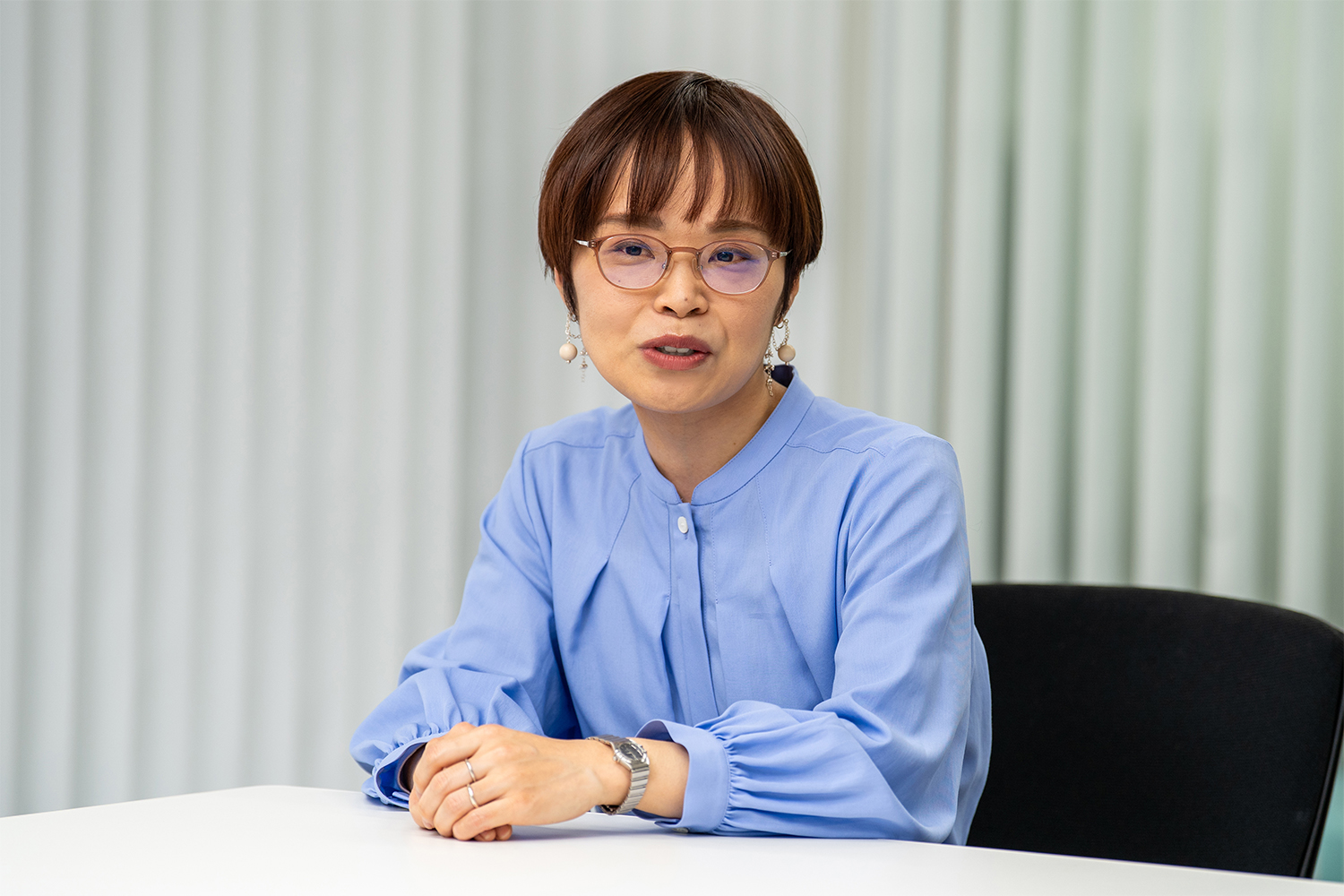
Assistant Professor May Koayama
Eto:
You always step up with plenty of great questions, which helps tremendously. I really want to foster a culture where next-gen researchers can speak their minds without hesitation.
Shimobayashi:
The annual CiRA Retreat (a two-day, overnight event where researchers and students present their work and mingle) is incredibly important for this. It catalyzed a new collaboration with another lab. We do not get many opportunities for everyone to gather like that. Right now, we have active joint research projects that were sparked directly by the retreat.
Kanamaru:
One of CiRA’s biggest strengths is its strong horizontal connectivity. Even though we belong to different departments, labs end up collaborating naturally, and the dialogue is incredibly vibrant. Even across entirely different fields, new ideas often blossom from casual, everyday chats.
What are your future goals and challenges?
Shimobayashi:
As a principal investigator, I want to train researchers who can excel on a global stage. I hope to nurture individuals who can confidently say they lead the world in their field. For my own research, I want to decode how molecules assemble inside neurons to form highly precise platforms for transmitting information. Over the next five to ten years, I hope to clarify just how universally this mechanism is utilized throughout all life, not just in the nervous system.
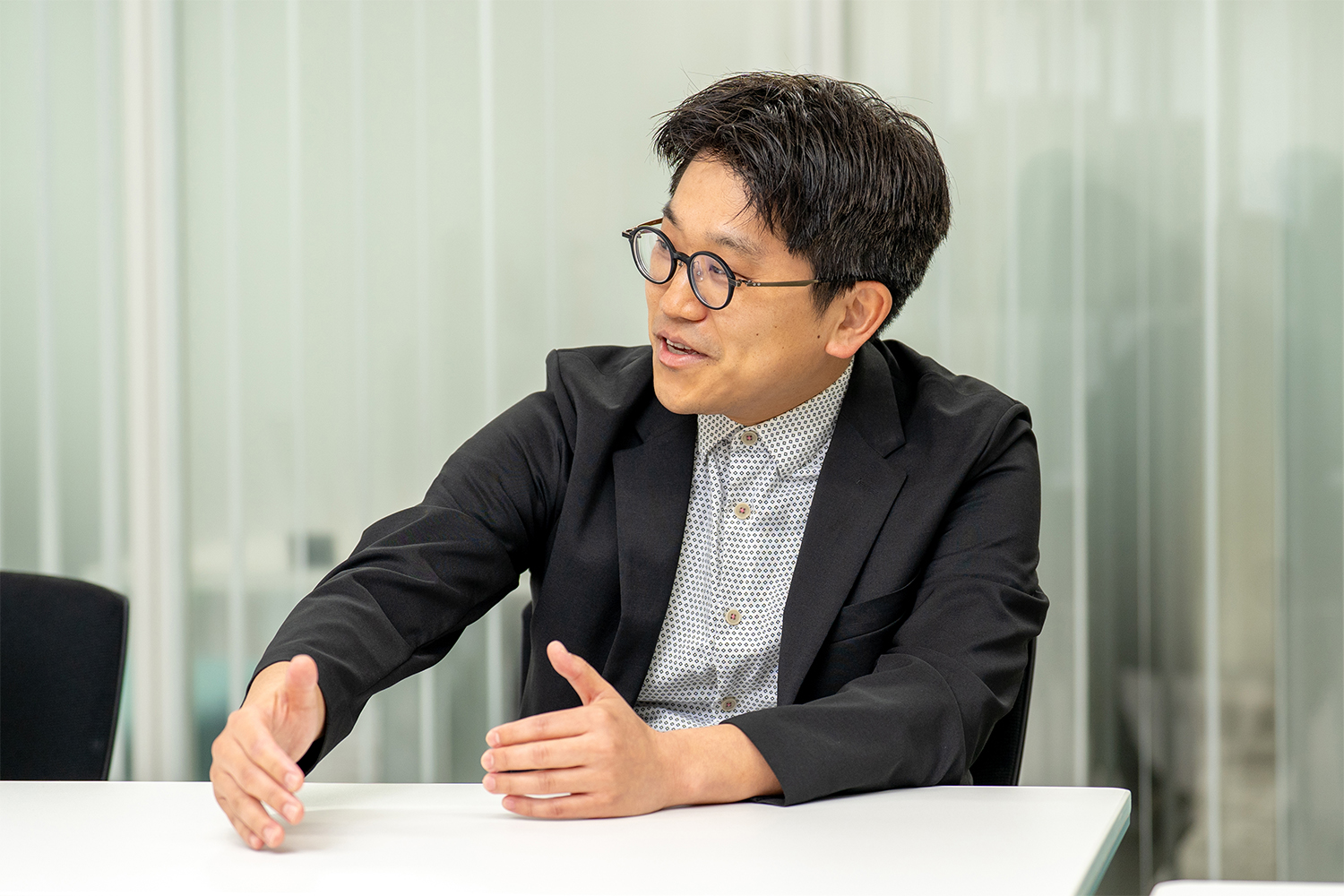
Associate Professor Shunsuke F. Shimobayashi
Koyama:
I want to keep exploring the concept of “biological time”, which differs from physical time. I also value maintaining an attitude of learning from life itself. Just as my mentor gave me freedom, I want to provide an environment where young researchers can explore freely. Handing over the reins to the next generation takes a lot of courage, but I truly believe that unexpected breakthroughs and novel ideas only emerge from total freedom.
Kanamaru:
First, I want to bring my current research project to full fruition. Then I hope to connect my clinical experience more deeply with research, especially in paediatrics, where many diseases still lack effective treatments. Many drugs are only approved for adult doses or remain unapproved in Japan, and data on safety and efficacy are often severely lacking. Addressing those gaps is something I aspire to do.
Eto:
My ultimate goal is to ensure everyone can fully leverage the incredible environment here at CiRA to expand their work based on their own curiosity. When fresh ideas and breakthroughs emerge from this institute, everyone wins. I am completely confident that when you trust your curiosity and charge forward, that collective energy will break open the future of medicine.
-
Interviewed and written by Chiaki Yoshino
A freelance writer based in Kyoto. She spent roughly a decade in various laboratory roles across corporations, universities, and research institutes. Capitalizing on her firsthand experience, she now works as a science writer. She has a portfolio of over 300 pieces, including interview profiles, press releases, and articles for corporate media.
(Translation: Kelvin Hui, Ph.D., CiRA Research Promoting Office)